September 21, 2026
Establishing strong foundational learning habits during early childhood creates a solid framework for lifelong academic achievement and social growth. Educators and parents constantly seek effective instructional approaches that engage young minds while cultivating critical cognitive, emotional, and motor capabilities. Implementing structured, research-backed techniques within early education settings allows children to explore complex concepts through interactive experiences, building intellectual curiosity and confidence.
According to Med Rxiv, children were observed participating in play during more than 80% of outdoor time, with structured environments helping sustain engagement and reduce non-active behavior. Adopting these proven pedagogical strategies ensures young learners receive comprehensive guidance necessary to thrive in diverse learning environments.
1. Integrating Play-Based Learning With Structured Activities
Combining unstructured exploration with guided instructional tasks nurtures natural curiosity while teaching essential foundational skills to young learners. Effective early education classrooms utilize hands-on sensory stations, building blocks, and creative arts to make abstract concepts tangible and accessible. Teachers carefully design interactive learning stations where students manipulate materials, test ideas, and solve problems through trial and error.
This dynamic approach transforms passive instruction into an active discovery process, keeping children deeply engaged throughout the school day. Balancing free choice with intentional learning targets builds self-regulation, spatial awareness, and critical thinking capabilities, establishing an environment where academic concepts emerge naturally through joyful, meaningful activities.
2. Fostering Language Acquisition Through Daily Storytelling
Reading aloud regularly introduces children to rich vocabulary, proper grammatical structures, and complex narrative frameworks early in life. Early childhood educators utilize interactive storytelling techniques, asking open-ended questions about illustrations and character motivations to deepen comprehension. Encouraging students to predict story outcomes or retell narratives in their own words sharpens verbal expression and active listening skills.
Exposure to diverse literature sparks imaginative thinking while building phonemic awareness, which serves as a vital precursor to independent reading. Consistent literary engagement expands background knowledge, strengthens memory retention, and cultivates a genuine lifelong love for books across diverse student populations.
3. Developing Social-Emotional Skills Through Collaborative Play Time
Learning to manage personal emotions, navigate peer relationships, and resolve conflicts peacefully represents a core milestone in childhood development. High-quality early education programs incorporate cooperative group projects, turn-taking games, and role-playing exercises that teach empathy and clear communication. Educators guide children in recognizing feelings, voicing personal needs constructively, and understanding the perspectives of classmates during daily interactions.
Establishing clear behavioral expectations within a supportive community helps students build self-confidence and emotional resilience. Mastering these interpersonal competencies early prepares children to build positive friendships, work effectively in group environments, and adapt smoothly to future academic challenges.
4. Encouraging Physical Activity Through Outdoor Exploration
Movement plays a crucial role in cognitive development, helping young children refine gross motor skills while releasing accumulated energy naturally. Structured outdoor recreation provides vital opportunities for running, climbing, balancing, and navigating varied natural terrain safely under teacher supervision. Physical activity stimulates brain development, improving focus, spatial reasoning, and impulse control when students return to indoor classroom tasks.
Group outdoor games also teach sportsmanship, teamwork, and spatial boundary awareness in an invigorating environment. Prioritizing daily outdoor play supports healthy physical growth, builds endurance, and keeps young minds refreshed, receptive, and fully energized for subsequent academic learning modules.
5. Utilizing Differentiated Instruction With Personalized Learning
Children enter pre-school environments with varied background knowledge, developmental readiness, and learning preferences that require individualized instructional approaches. Modern early education frameworks apply differentiated instruction, tailoring tasks, materials, and pacing to match each child’s unique developmental trajectory. Teachers assess individual progress continuously, offering extra support to struggling students while providing enrichment activities for advanced learners.
Using small-group guided instruction allows educators to deliver targeted feedback and address specific learning needs effectively. Respecting individual growth rates fosters a positive self-image, ensures every child experiences academic success, and prevents young learners from feeling overwhelmed or disengaged.
6. Incorporating Music and Movement Through Rhythmic Exercises
Engaging children with songs, rhythmic rhymes, and guided dance movement activates multiple areas of the brain simultaneously, boosting memory retention. Rhythmic activities help children recognize auditory patterns, which directly enhances early math skills like counting, sequencing, and spatial awareness. Singing educational songs introduces new vocabulary words effortlessly while improving pronunciation, vocal control, and auditory discrimination capabilities.
Moving to music improves bodily coordination, balance, and fine motor control as children follow complex step patterns or play hand percussion instruments. Integrating musical experiences into daily routines creates an uplifting atmosphere, eases transitions between activities, and makes learning foundational skills fun.
7. Promoting STEM Concepts Through Hands-on Experiments
Introducing science, technology, engineering, and mathematics early encourages children to observe, question, and analyze the physical world around them. Age-appropriate early education activities involve simple experiments, such as mixing colors, measuring water volumes, or building sturdy towers with cardboard tubes. Teachers encourage students to formulate hypotheses, record visual observations, and discuss why certain results occurred during experiments.
Exploring basic cause-and-effect relationships cultivates scientific reasoning, spatial awareness, and mathematical logic in an approachable, low-pressure manner. Nurturing natural curiosity through hands-on STEM projects builds problem-solving confidence, preparing children to understand increasingly complex scientific concepts as they progress academically.
8. Supporting Executive Function Through Structured Routines
Predictable daily schedules help young children feel secure, reducing anxiety and allowing them to focus fully on learning tasks. Establishing clear classroom routines, such as morning circles, cleanup signals, and organized activity transitions, teaches self-discipline and time management skills. Teachers post visual schedules showing daily events, helping students anticipate what comes next and plan their actions accordingly.
Practicing self-regulation during routine tasks strengthens executive functioning, including working memory, cognitive flexibility, and focused attention control. Developing strong organizational habits early enables children to manage classroom expectations independently, fostering a productive learning environment where students feel calm and confident.
9. Cultivating Artistic Expression From Creative Outlets
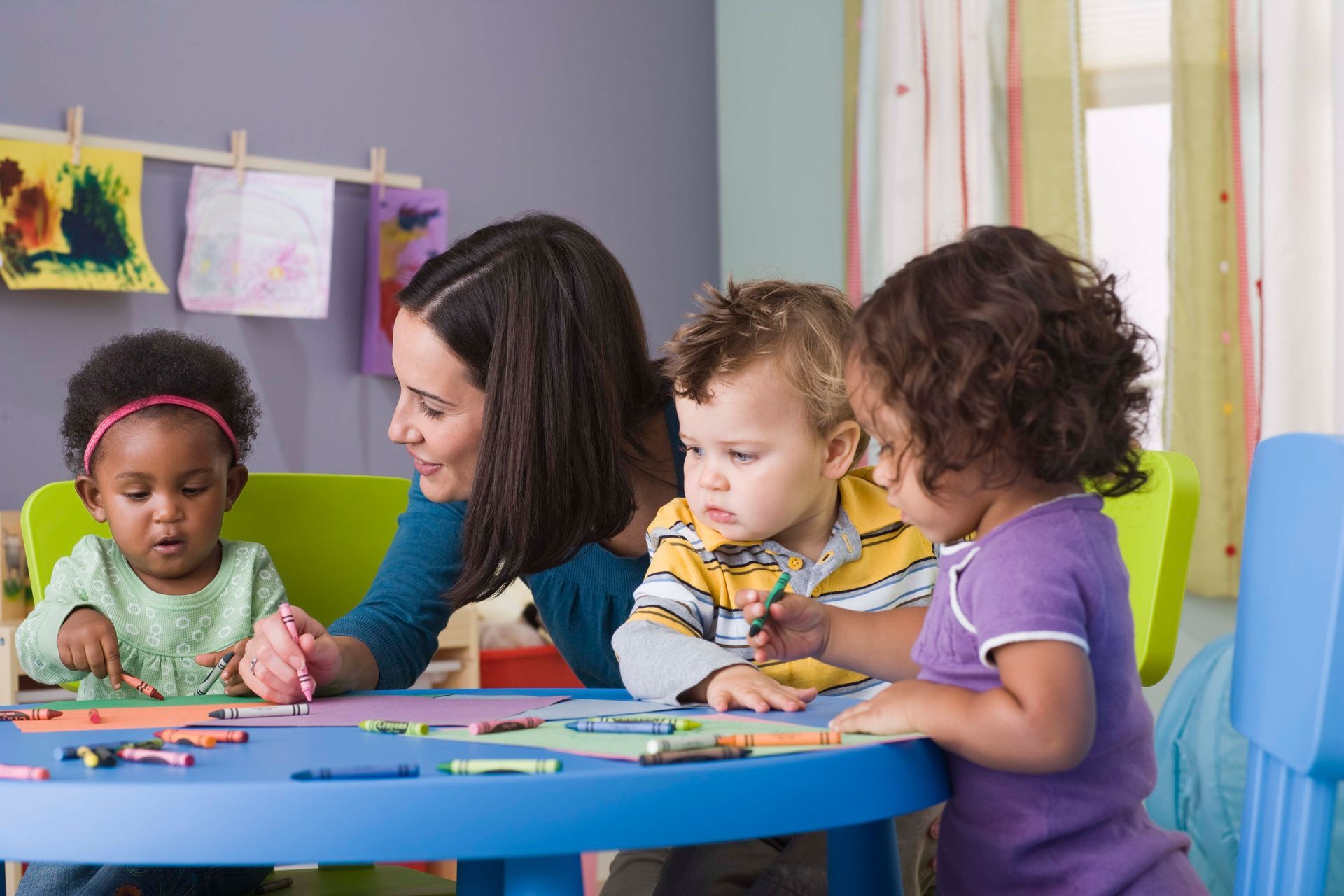
Providing open-ended art materials allows children to express thoughts, emotions, and imaginative ideas that they may struggle to articulate verbally. Painting, sculpting with clay, drawing, and crafting encourage creative decision-making while strengthening fine motor control and hand-eye coordination. Effective educators focus on the creative process rather than demanding a perfect final product, celebrating unique artistic choices made by each student.
Exploring different textures, vibrant colors, and artistic mediums stimulates sensory development and spatial awareness naturally. Encouraging artistic exploration builds personal confidence, nurtures original thinking, and provides a therapeutic outlet for processing daily experiences within a supportive classroom setting.
10. Cultivating Inclusive Environments Through Diverse Perspectives
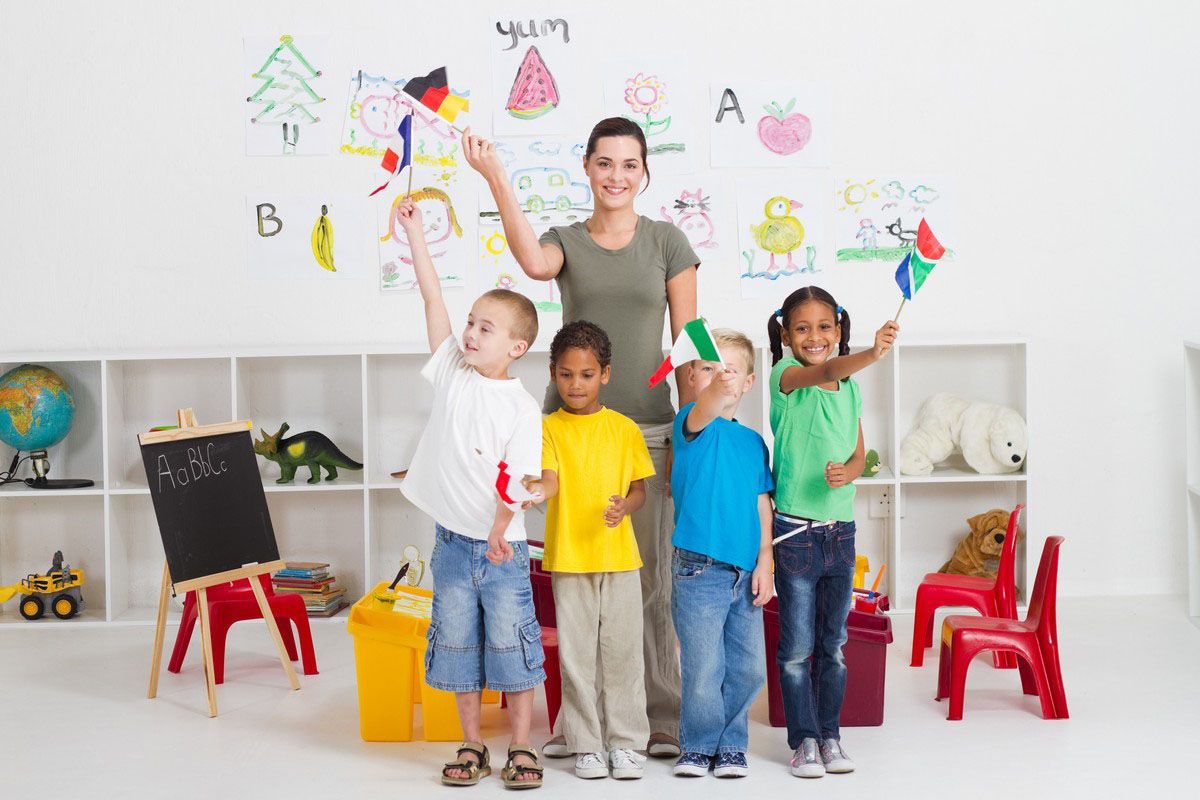
Creating a welcoming classroom atmosphere where every child feels valued, respected, and represented promotes deep social connection and learning. Comprehensive early education curricula incorporate diverse multicultural books, inclusive toys, and global cultural celebrations that honor varied family backgrounds. Teachers actively model respectful dialogue, encouraging students to appreciate unique personal differences while discovering common interests with peers.
Inclusive environments foster a strong sense of belonging, reducing behavioral issues and promoting positive self-esteem among all participating students. Teaching children to value diversity from a young age builds broad cultural awareness, empathy, and global citizenship skills that serve them well throughout life.
Implementing evidence-based strategies in early learning environments sets the stage for meaningful intellectual, social, and emotional development in young children. Balancing play-based discovery with structured literacy, mathematics, STEM projects, and creative activities ensures that instruction remains engaging and developmentally appropriate.
Fostering social-emotional growth, physical activity, and executive function equips students with essential life skills needed to navigate future academic challenges with confidence. Building strong partnerships with families and maintaining inclusive classrooms further enriches the learning experience for every child.
Committing to these proven educational practices empowers young learners, instilling a deep love for discovery and paving the way for lifelong success. Are you seeking a reliable early education with a solid reputation in the Olympia, WA area? At Scribbles And Giggles Learning Center, we take your child's early developmental years to heart. Contact us today to learn more.